Dharma Jaya Sets Strategy to Bolster Jakarta Food Security
Reported by Aldi Geri Lumban Tobing | Translated by Maria Inggita
Perumda Dharma Jaya is reinforcing internal consolidation and collaboration with regional-owned enterprises (BUMDs) to maintain Jakarta's food security amid global uncertainties, especially potential disruptions to imported food supplies.
maintain Jakarta's food security while supporting national food stability
The initiative follows direction from Jakarta Governor Pramono Anung, who has urged stronger consolidation among BUMDs to boost their competitiveness at the national and international levels.
Dharma Jaya Prepares 1,416 Bazaars to Facilitate Access to Animal ProteinPresident Director of Perumda Dharma Jaya, Raditya Endra Budiman, said the company is also reinforcing corporate governance by implementing good corporate governance (GCG) principles emphasizing integrity, professionalism, and transparency.
"Our GCG assessment has continued to improve year by year, indicating that governance reforms are progressing in the right direction," he said on Monday (4/27).
Raditya stressed that coordination among BUMDs is being intensified, particularly to maintain price stability and stock availability. While market conditions remain relatively stable, preparedness is being heightened in anticipation of potential disruptions.
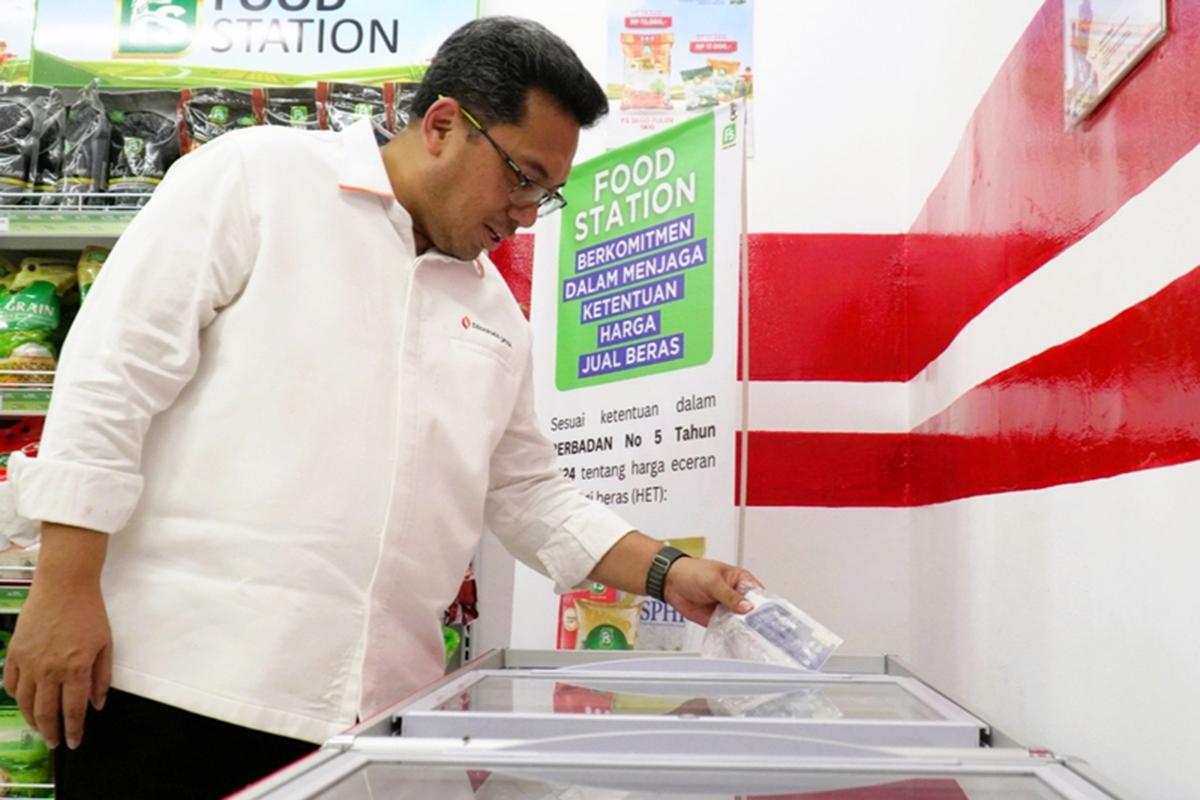
"Collaboration with other BUMDs, including Food Station, is currently focused on strengthening stock reserves and routine programs such as food bazaars. If disruptions occur, cooperation will be intensified," he noted.
Dharma Jaya is also anticipating potential shortages of raw materials, particularly imported commodities such as beef, which are influenced by global factors including logistics availability, fuel shortages, and stock policies in exporting countries.
"As long as conditions remain relatively stable, we are strengthening our reserves. For cattle, procurement will be increased from 500 to 1,000 head next month as a precautionary measure," he added.
In addition to beef, the company is ensuring the availability of other animal protein sources, such as chicken, through inter-regional cooperation. Raditya said the company is exploring supply partnerships in several areas on Java Island, including Blitar, to secure distribution.
"Inter-regional cooperation is key, particularly to ensure stable chicken supply. We have begun coordinating with several producing regions," he said.
He noted that these measures form part of a short-term strategy over the next year to respond to dynamic global conditions while maintaining price stability and food supply in Jakarta.
At the national level, Dharma Jaya contributes through inter-regional cooperation and synergy with state-owned enterprises, particularly for commodities such as buffalo meat and imported beef. However, Raditya stressed the importance of maintaining balance to avoid disadvantaging producing regions.
"We do not want all supply to be drawn into Jakarta. Regions must still have their own markets. Our role can include financing support and capacity building," he said.
He added that around 98 percent of Jakarta's food supply comes from outside the region, making national-level collaboration essential to ensure supply continuity.
"Through stronger reserves, expanded partnerships, and improved governance, Dharma Jaya is optimistic it can help maintain Jakarta's food security while supporting national food stability," he asserted.
Earlier, Governor Pramono emphasized the importance of consolidating BUMDs over the next year and eliminating sectoral ego that has hindered synergy.
He also encouraged Jakarta's BUMDs to move beyond being local players and compete at national and international levels, while committing to building a healthy, disciplined, and transparent corporate culture.
He further stressed that BUMDs must be managed transparently and professionally, without being burdened by non-productive issues, so they can grow sustainably.
Pramono also highlighted global challenges such as geopolitical dynamics and the El Nino phenomenon, which could affect the energy and food sectors. He urged all BUMDs to prepare anticipatory and adaptive measures.